
Seborrhea – How to recognize it and fight it naturally?
Seborrhoea, also known as seborrhoeic dermatitis, is a chronic skin condition that affects the scalp, face, and sometimes other parts of the body. It causes unpleasant itching and flaking. When looking for suitable treatment, the power of nature is being mentioned more and more often — and this is where hemp products can also offer support. In this article, we will explain what causes seborrhoea, what its symptoms are, and how it can be managed naturally.
Article summary:
- The article explains what seborrhoea, or seborrhoeic dermatitis, is, what its most common symptoms are, and how to distinguish it from ordinary dandruff or other skin problems.
- It describes the possible causes of seborrhoea, including excessive sebum production, persistent mental overload, hormonal changes, or a weakened skin barrier, and also focuses on proper skin care.
- The article also includes tips for naturally supporting treatment with hemp cosmetics, gentle products, and recommendations on when it is advisable to see a dermatologist.
How do I recognise seborrhoea?
Seborrhoea (seborrhoeic dermatitis) can appear in different ways depending on its severity and location.
Typical signs include:
- Red patches on the skin – Reddened patches may appear on the face, scalp, behind the ears, or on the chest, and they may be slightly swollen.
- Flaking and peeling skin – Greasy, yellowish, or white scales form on the affected areas and then peel away. The scalp often looks as if it is covered with dandruff.
- Itching and irritation – The skin is irritated and may itch intensely, causing discomfort, especially when sweating excessively.
- Oily and shiny skin – Seborrhoea is often associated with excessive sebum production, which gives the skin a shiny appearance, especially in areas such as the forehead, nose, and chin.
- Worsening in winter or during prolonged psychological pressure – Seborrhoea is often seasonal and tends to worsen in colder weather. Long-term mental strain and hormonal changes may make the symptoms more pronounced.
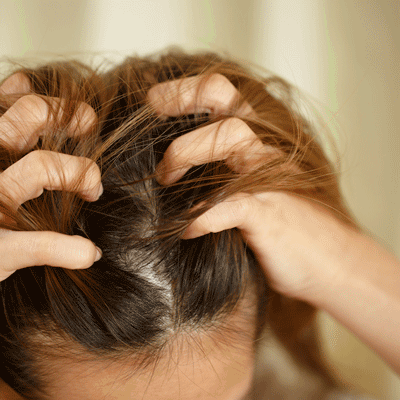
These symptoms may vary in intensity — sometimes they worsen, while at other times they may disappear for a longer period. Seborrhoea is not contagious, but it can be uncomfortable and affect quality of life.
Who is most often affected by seborrhoea?
Seborrhoea can occur in different groups of people, although certain factors increase the likelihood of developing it.
1. Newborns and small children – Seborrhoea is common in newborns and is often referred to as cradle cap. It appears as scales on the scalp, is harmless, and usually disappears within a few months.
2. Teenagers and young adults – Seborrhoea often appears during puberty, when sebum production increases due to hormonal changes. This age is also typical for dandruff, which is one of the manifestations of seborrhoea. 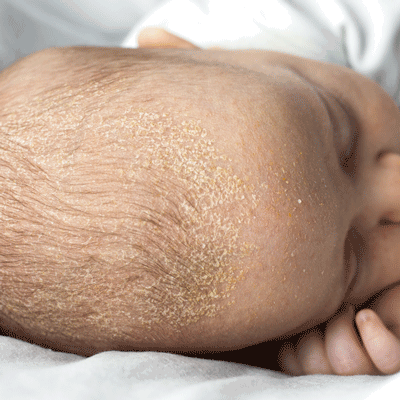
3. Middle-aged adults – Seborrhoea may appear in adulthood, especially in men aged 30–60, when the skin is more prone to excessive sebum production and inflammation. It can also occur in women, but less often.
4. People with oily skin – Seborrhoea is more common in people who generally have oily skin and hair because their sebaceous glands produce an excessive amount of sebum.
5. People with weakened immunity – Seborrhoea occurs more often in people with a weakened immune system. People experiencing long-term mental strain or those with chronic illness are also more prone to seborrhoea.
6. People with neurological and psychological conditions – Seborrhoea often appears in people with Parkinson’s disease, depression, or other neurological disorders. The exact connection is not fully understood, but it is well documented.
7. Environmental and lifestyle factors – Persistent mental overload, lack of sleep, an unsuitable diet such as a lack of essential fatty acids or vitamins, cold weather, or seasonal changes can worsen the symptoms of seborrhoea.
Seborrhoea is not contagious and can affect anyone, but the factors listed above increase the risk.
Seborrhoea vs. seborrhoeic dermatitis
These two terms are often used interchangeably, but there is a difference between them:
- Seborrhoea is simply increased production of sebum by the sebaceous glands — sebum production itself, without inflammation.
- Seborrhoeic dermatitis is an inflammatory skin condition related to seborrhoea, but it also involves inflammation, flaking, itching, and redness. The yeast Malassezia plays a key role in its development, as it overgrows in an oil-rich environment.
Simply put: seborrhoea is the cause, while seborrhoeic dermatitis is the condition that may develop from it.
Treatment of seborrhoea
Treatment of seborrhoea depends on the severity of symptoms and the affected areas of the body. Most cases are treated with a combination of topical products and shampoos that help reduce inflammation, flaking, and itching.
The most common treatment methods include:
- Medicated shampoos containing ketoconazole, zinc pyrithione, selenium sulphide, or tea tree oil
- Topical corticosteroids prescribed by a doctor in more severe cases
- Topical antifungal creams
- Phototherapy
- Other prescription medicines
- Lifestyle adjustments
Natural treatment for seborrhoea: How to soothe the skin without harsh chemicals
1. CBD cosmetics and hemp products
CBD oil (internal use): CBD (cannabidiol) has well-documented anti-inflammatory properties. A comprehensive 2025 review confirmed that CBD acts through the skin’s endocannabinoid system and has anti-inflammatory, antioxidant, and lipostatic effects — meaning it can help regulate excessive sebum production. Clinical and preclinical evidence supports its effectiveness in seborrhoeic dermatitis. Taking a few drops daily may help reduce inflammation and itching.
CBD hair care (topical use — best supported): Shampoos and conditioners with CBD and hemp oil are ideal for caring for an irritated scalp. Topical use of CBD currently has the strongest scientific support of all application methods. CBD supports regeneration and soothes inflammation. Hemp oil provides the skin with hydration and essential fatty acids, helps restore its natural balance, and helps prevent flaking.
Hemp ointment for the skin: For affected areas outside the scalp, such as the face or chest, hemp ointment is an excellent option. It helps soothe redness, flaking, and itching.
2. Jojoba oil
Jojoba oil is similar in composition to natural skin sebum and can soothe and nourish the skin. Regular application to affected areas, especially on the scalp, may reduce scale formation and support healing.
3. Tea tree oil
This essential oil has natural antifungal and antibacterial effects. Current 2025 clinical guidelines list tea tree oil among the standard active ingredients in over-the-counter shampoos for seborrhoea — alongside ketoconazole, zinc pyrithione, and selenium sulphide. Simply add a few drops to shampoo or dilute it in a carrier oil, such as hemp oil, and apply it directly to the affected areas.
4. Aloe Vera
Aloe Vera gel is known for its hydrating and soothing effects. Natural Aloe Vera gel can be applied directly to the affected areas — it helps reduce redness and skin flaking.
5. Apple cider vinegar
Apple cider vinegar has antibacterial effects and may help restore the skin’s natural pH. Mix it with water in a 1:1 ratio and apply it to the scalp or other affected areas. Leave it on for 5–10 minutes and then rinse.
6. Coconut oil
Coconut oil has strong moisturising and anti-inflammatory properties. Massage it into the skin or scalp to reduce itching and flaking.
7. Omega-3 fatty acids
Omega-3 fatty acids, found in fish oil, hemp oil, flaxseed, or hemp seed, may help reduce inflammation and regulate sebum production. Adding foods rich in these fatty acids to the diet, or taking them as supplements, may improve skin health.
These natural methods, combined with CBD cosmetics and oil, may bring significant relief and help keep seborrhoea under control. Remember that regularity and consistent care are the keys to success!
Traditional home tips: What helps with seborrhoea?
Here is an overview of tried-and-tested natural tips that may help reduce the symptoms of seborrhoea:
Chamomile tea
Chamomile has natural anti-inflammatory and soothing effects. Prepare strong chamomile tea, let it cool, and use it as a rinse on the affected scalp or face. Chamomile helps reduce redness and irritation.
Oat flakes
Oat flakes are known for their soothing effects on the skin. Mix a handful of flakes with water to form a paste and gently apply it to the affected areas. Leave it on for 10–15 minutes and then rinse. Oat flakes reduce itching and skin dryness.
Honey mask
Honey is a natural antibacterial and moisturising agent that can help soothe irritated skin and reduce inflammation. Mix honey with a little warm water, apply it to the affected areas, and leave it on for 20–30 minutes. Then rinse.
Nettle rinse
Nettle has detoxifying and anti-inflammatory effects that may be useful when caring for skin affected by seborrhoea. Prepare a strong nettle decoction and, once cooled, use it as a rinse for the hair or affected skin.
Vinegar rinse
Apple cider vinegar is a traditional remedy for many skin problems thanks to its antibacterial and pH-balancing effects. Dilute apple cider vinegar with water in a 1:1 ratio and apply it to the scalp or face. Vinegar helps remove excess sebum and reduce itching.
These traditional home tips can be an effective addition to professional skin and scalp care for seborrhoea. Natural ingredients often help ease symptoms without the use of harsh chemicals.
Author: Lucie Garabas