







★★★★★
Verified customer
Order ID: 26118928
The drops helped me a lot. After only a short time, I felt calmer, slept better, and at the same time had less joint pain. Overall, I feel much better and more balanced.

Hemp is now very popular for animals as well. Pet owners also want to provide their pets with the beneficial effects of CBD. We offer a wide range of our own products, especially for dogs, cats, and horses. We always ensure high manufacturing quality and great taste.
You will find hemp treats, hemp oil, as well as ointments and shampoos for animals.
#ShowMore#
CBD is gaining immense popularity among animals, and it’s no surprise. It is widely used worldwide for various health issues and has proven particularly effective as a natural aid against illness and stress.
When choosing the right product, pay close attention to which CBD drops you select for your pet. It is always crucial that they contain no THC (as it can be toxic to animals) and that the product is registered as a veterinary supplement. Only such a product guarantees that you are providing your pet with a safe dietary supplement.
Now, let’s go back to the effects of CBD. In animals, it primarily helps with:
The rule “less is sometimes more” applies here as well. We always recommend considering which dog you are choosing CBD for (a small dog will be fine with 2% drops, while a large dog may need 10%). Also, think about the reason for using CBD – a lower percentage is sufficient for preventive use, whereas a higher percentage is recommended for more serious conditions.
Even so, selecting and dosing the first CBD product for animals can sometimes be quite a challenge. That’s why we offer free assistance in the Cannadorra hemp advisory service.

Hemp oil enriched with 10% CBD for animals. Contains 970mg of CBD, formulated as a veterinary medicinal product.

Hemp oil enriched with CBD (5% by weight) for animals. Contains 420mg of CBD. A veterinary medicinal product.

CBD-enriched hemp oil (2% by weight) with 190mg CBD, a veterinary medicinal product.

CBD-enriched hemp oil (10% by weight) with a delicious bacon flavor for dogs. Contains 970 mg of CBD. Veterinary medicinal product, also suitable for cats.

CBD-enriched hemp oil (5% by weight) with a delicious bacon flavor for dogs. Contains 420 mg of CBD. Veterinary medicinal product. Suitable for cats as well.

New generation joint nutrition for dogs. Supports and regenerates articular cartilage, nourishes joints, and improves mobility. Anti-inflammatory. Contains 60 tablets – each...

High-quality hemp treats with delicious chicken flavor, your dog's new favorite! Each 200 g package contains approximately 180 treats. Made with natural ingredients, free from...

Veterinary product - CBD treats for dogs with a delicious rabbit flavor. Each package contains 400 mg of CBD. Natural composition with excellent taste and digestibility.

Extra-strength CBD oil for horses, 500 ml. Contains 4000 mg of CBD. Veterinary product. The package lasts approximately 2 months.

Hemp oil with CBD for horses, containing 1000 mg of CBD. Veterinary product currently awaiting approval.

Hemp oil with 2000 mg CBD for horses. Veterinary product currently under approval.

Veterinary product - CBD treats for horses with a delicious carrot flavor. Each package contains 1000 mg of CBD, offering natural support for equine health and well-being.

Complete Joint Supplement for Horses with CBD (2000 mg). Suitable for recovery, musculoskeletal disorders, and as a preventive measure.

Complete Joint Supplement for Horses with CBD (500 mg). Suitable for recovery, musculoskeletal disorders, and also as a preventive measure.

CBD shampoo for animals with sensitive skin. Gently cares for and regenerates the coat. Suitable for cats, dogs, and horses. 125 ml.

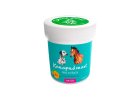
Skin ointment with hemp and marigold, designed to address skin issues in animals. Approved cosmetic product for animals, available in a convenient 12ml size. Free from petroleum...

Skin ointment with hemp and marigold, specially formulated for animals, helps address skin issues and promotes natural healing. Approved cosmetic product for animals, free from...

Cold-pressed hemp treats for dogs made from a unique recipe with natural ingredients. 200 g of tasty and healthy treats that are free from preservatives.

Premium hemp treats with a delicious salmon flavor, ideal for dogs with sensitive digestion. 200 g of natural, preservative-free goodness.

Natural carrot-flavored treats for horses, enriched with hemp oil and herbs. 500 g

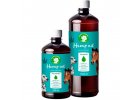
Hemp seed oil for animals, 1000 ml. Premium quality with a delicious taste and aroma, ideal for supporting the health and vitality of your pets.

Hemp seed oil for animals, 500 ml. Premium quality with a delicious taste and aroma, ideal for enhancing your pet's health and vitality.

100% cold-pressed hempseed cake, rich in essential fatty acids with an ideal Omega-6 to Omega-3 ratio. Suitable for animals, 1 kg.

100% cold-pressed hempseed cake with an ideal ratio of essential fatty acids. Perfect for animals, especially those with weight deficiencies or needing muscle mass support. 20 kg.

Ideal for animals such as dogs, horses, cats, and fish, this hemp bran offers a high fiber content of up to 75%. Packaged in a 20 kg bag.

Suitable for various animals including dogs, horses, cats, and fish. Contains high fiber content—up to 75%. Packaged in 1 kg.

100% natural hemp feed for hobby horses. Free from molasses and preservatives, ensuring a healthy and balanced diet.

Colostrum in powder form strengthens the immune system, improves digestion, and supports regeneration in animals (dog, cat, horse, goat, sheep, cow, etc.) of all age groups....

Colostrum in powder form strengthens the immune system, improves digestion, and supports regeneration in animals (dog, cat, horse, goat, sheep, cow, etc.) of all age groups....

Natural syrup with CBD for joint support in dogs. Helps with pain, inflammation and stiffness, improves mobility and is suitable for seniors, active dogs and animals with...

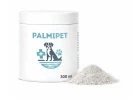
Natural complementary feed for dogs containing PEA, which supports the natural regulation of pain and inflammation (especially suitable for allergies). Suitable for dogs with...

Palmipet for horses is a natural complementary feed containing PEA (palmitoylethanolamide), which supports the natural regulation of pain and inflammation. Suitable for joint...

Palmipet for cats and small dog breeds is a natural complementary feed containing PEA (palmitoylethanolamide), which supports the natural regulation of pain and inflammation....

A specially developed veterinary preparation for older dogs. The combination of CBD, DHA, coenzyme Q10 and vitamin E supports normal brain function, helps slow down the...