
Alternatives to whey protein: when a plant-based option makes sense

Whey protein is a popular supplement, but it's not for everyone. If you're dealing with sensitive digestion, allergies, or want a more sustainable option, plant-based protein (like hemp) may make more sense. Let's compare it in a human, practical, and myth-free way.
What is whey protein and why is it so popular?
Whey protein is a protein from whey, the liquid that forms when milk curdles during cheese production. In practice, it is a raw material linked to the dairy industry, which is often sold in the form of dietary supplements today.
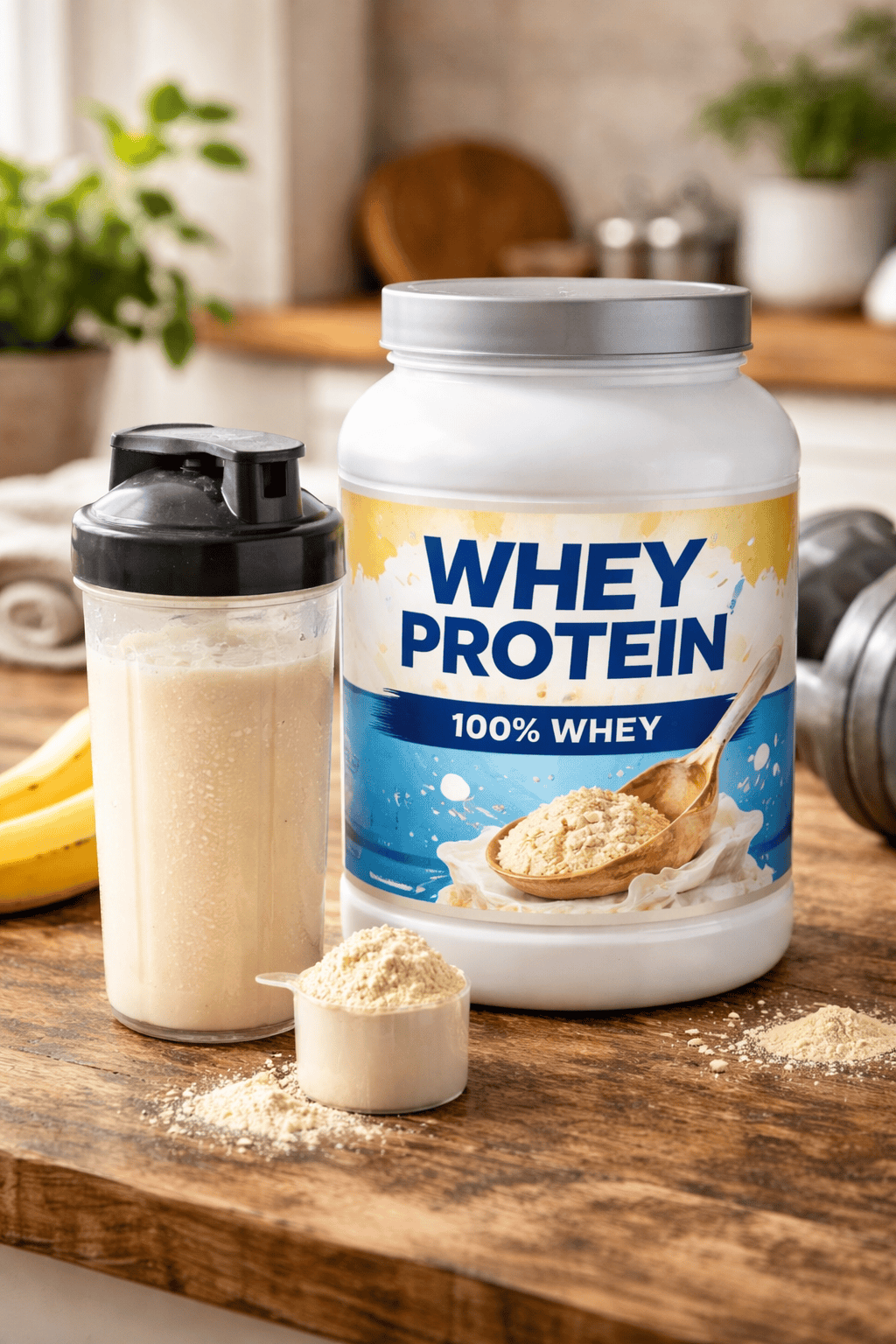
Why whey protein may not suit everyone
The most common reasons people look for whey protein alternatives include bloating, feeling of heaviness, cramps, diarrhea, but also worsening acne or eczema. In more sensitive individuals, this may be related to lactose residues (especially in concentrate), but also to a reaction to milk proteins.
Milk proteins: whey proteins vs. casein (including β-casein)
Milk proteins are divided into whey proteins and casein. β-casein belongs to the casein part (so it is not “whey”), but if someone is sensitive to milk proteins in general, they may react to both casein (including β-casein) and whey proteins (e.g. beta-lactoglobulin). Traces/mixtures or individual sensitivity may also play a role in some products.
Digestion as the most common "stop sign"
If you are dealing with sensitive digestion, a protein that feels more like a “meal” than a highly processed isolate may be more suitable. In practice, switching to a plant-based protein – especially one that naturally contains fiber – often works.
When does it make sense to look for an alternative to whey protein
The alternative makes sense especially if whey repeatedly causes discomfort, if you have a confirmed lactose intolerance, sensitivity to milk proteins, or if you want a protein that you will use every day for a long time (not just after sports). In such a case, it is good to look not only at the protein percentage, but also at how you feel after the protein.
If you are dealing with digestion
Look for protein that is digested more slowly and doesn't burden the stomach.
- Higher natural fiber content often helps
- simpler composition without unnecessary additives
If you are dealing with allergies/intolerances
For sensitive people, milk is a common trigger – plant-based protein may be gentler.
- lactose and milk proteins
- in some people also skin manifestations
If you are addressing sustainability
Plant proteins generally have a lower ecological footprint than animal proteins.
- less resource requirements
- more positive impact on the planet
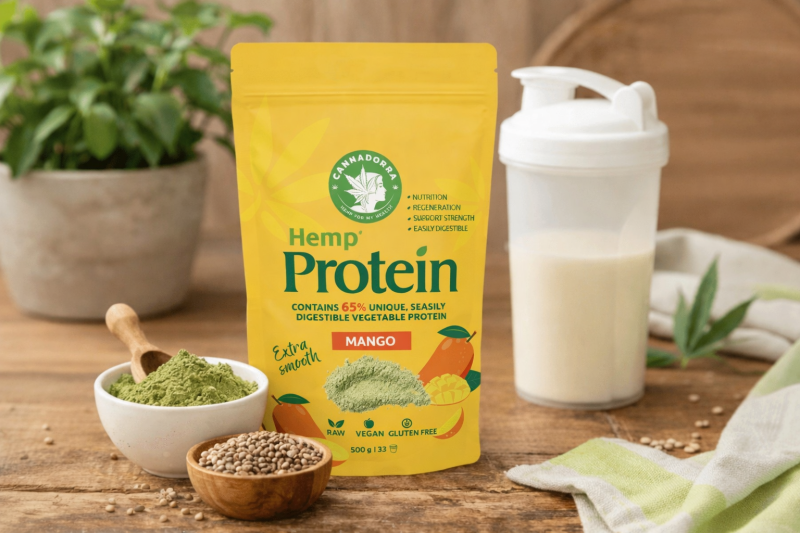
Why plant (hemp) protein is a natural alternative
Plant-based protein can be a more practical choice for many people in their daily diet. Hemp protein is made from hemp seeds and preserves the natural character of the raw material. It is not an isolated protein “torn” out of context, but a more complex food that provides fiber in addition to protein. This makes it easier to digest and easy to use – in smoothies, porridge, yogurt, baking or just in water.
Comparison: whey protein vs. plant protein (e.g. hemp)
| Criterion | Whey protein | Plant protein (e.g. hemp) |
|---|---|---|
| Origin | Animal (milk; whey is produced during cheese production) | Vegetable (e.g. hemp seed) |
| Lactose | can be (especially concentrate; isolate tends to be less) | not naturally lactose-free |
| Allergenic potential | higher (milk proteins may be harmful to sensitive people) | often lower (depends on the specific plant) |
| Digestion | May cause discomfort for some (especially those with sensitive digestion) | Slower digestion; fiber often helps with hemp protein |
| Fiber | Usually not | often yes (hemp naturally contains) |
| When is it most suitable? | If you like milk and want a dietary supplement in shake form | Into the daily diet, for sensitive digestion, for a long-term routine |
| Sustainability | Higher ecological footprint (animal production) | more favorable plant choice (often less resource intensive) |
| Taste and use | Often sweet/flavored, “shake style” | More natural taste, ideal for smoothies, porridges, baking |
Want to try plant-based protein?
If you're dealing with digestion, allergies, or want a long-term sustainable protein option, plant-based protein (such as hemp) is a natural candidate. You can choose a variant based on your preferences in the e-shop.
View hemp proteins
Who is which protein suitable for?
When does whey protein make sense?
Whey protein can make sense for people who have been satisfied with dairy products for a long time and want a supplement in a “shake” form. If you are more sensitive, it often helps to try isolate – but it doesn’t always solve the problem completely.
When is plant-based (hemp) protein a better choice?
You will appreciate plant-based protein if you want protein as part of your regular diet, are dealing with sensitive digestion, food intolerances, skin conditions, or simply don't like milk. Hemp protein also naturally contains fiber, making it suitable for a long-term routine.
The most common questions people ask about WHEY protein
Is whey protein suitable for lactose intolerance?
It depends on the type. Concentrate tends to have more lactose, isolate usually less. However, sensitive people can react to trace amounts or milk proteins. If whey repeatedly doesn't suit you, it makes sense to try a plant-based protein.
Which is better: whey concentrate or isolate?
Isolate tends to have a higher protein content and less lactose, but is more expensive. Concentrate is cheaper, but can cause problems more often, especially for those with more sensitive digestion.
Can whey protein cause bloating or acne?
For some people, yes. Bloating is often related to lactose digestion, acne/skin problems can be related to a reaction to milk proteins or individual sensitivity. If you notice a connection, it's worth trying a plant-based alternative for a few weeks.
Is hemp protein "complete"??
Hemp protein contains a wide range of amino acids. In practice, it is a great everyday source of protein, especially if you want a more gentle digestion and natural composition.
When to take plant (hemp) protein during the day?
Most often in the morning with breakfast (porridge/smoothie), after sports or as a supplement during the day. Thanks to its slower digestion, it is also suitable when whey does not do you any good.