
Fiber (not just hemp) and its importance in preventing intestinal diseases
Article Author: Lucie Garabasova
Gut health is more important than most of us realize. The intestines are not just a place where food is digested – they are also the center of our immunity and affect the absorption of nutrients. And do you know what fundamentally affects their health? Fiber. Sufficient intake of it can significantly contribute to the prevention of intestinal diseases and generally support proper digestive function.
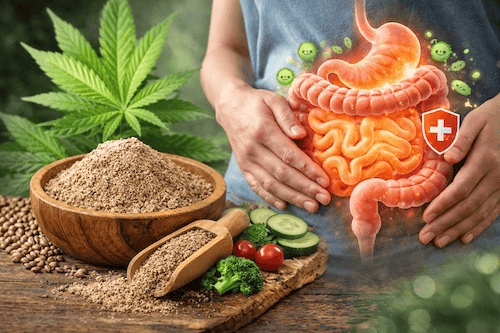
What is fiber and why does the intestines need it?
Fiber is an indigestible component of plant foods. Our body cannot break it down using digestive enzymes, but it is still indispensable for us. It passes through the digestive tract almost unchanged and along the way mechanically and functionally supports intestinal activity.
You can find it naturally in:
- vegetables and fruits,
- legumes,
- whole grains,
- seeds and nuts.
Soluble and insoluble fiber – both have their place
We divide it into two main types, which complement each other perfectly in their effects:
Soluble
It forms a gel in water that:
- slows down digestion,
- helps maintain stable blood sugar levels,
- binds bile acids and can lower cholesterol,
- serves as food for beneficial bacteria in the intestines.
Insoluble
It does not bind water, but instead:
- increases stool volume,
- promotes movement intestines,
- accelerates the passage of food,
- helps prevent constipation.
A combination of both types is ideal - you can get this with a varied plant-based diet or high-quality fiber supplements.
How does fiber protect your intestines?
Sufficient intake has a positive effect on several levels:
Regular bowel movements
Constipation is a very common problem today. Fiber increases the volume of stool and facilitates its movement through the intestines, so the intestines function naturally - without laxatives.
Supporting beneficial bacteria
We have billions of bacteria in our intestines that affect not only digestion but also immunity. Fiber acts as food for the good ones – so you help them grow and support the intestinal microflora.
Prevention of more serious diseases
Low fiber intake is associated with an increased risk of:
- diverticulosis,
- irritable bowel syndrome,
- chronic inflammation of the intestines,
- colon cancer.
Regular fiber intake helps to remove harmful substances from the intestines faster, thereby reducing their
contact with the intestinal wall.
Hemp fiber - a natural choice for healthy intestines
Hemp fiber is a high-quality plant source. It is obtained from hemp seeds and retains their natural nutritional profile. It is suitable for:
- supporting digestion,
- regular bowel activity,
- long-term care of the intestinal microflora,
- replenishing fiber if you otherwise have little of it in your diet.
A big advantage? It is gentle on digestion and can be easily included in your regular diet - for example in yogurt, porridge, smoothies or pastries.
Tip from Cannadorra: Hemp Fiber
A simple way to add fiber to your diet every day. Great for breakfast, snacks and baking.
How much fiber do you need per day?
The recommended daily intake is around 25–35 grams, depending on age, gender and lifestyle. But the reality is that most of us don't eat that much.
Long-term deficiency can lead to:
- slow digestion,
- irregular bowel movements,
- weakening of beneficial bacteria,
- increased risk of intestinal problems.
How to do it - practical tips
When you start increasing your fiber intake, do it gradually and don't forget to drink enough water.
We recommend combining different sources, adding it to breakfast or snacks, drinking plenty of fluids, and monitoring how your digestion responds.
FAQ: frequently asked questions
How do I know if I'm low in fiber?
This is often manifested by constipation, irregular bowel movements, a feeling of "heavy" digestion, or frequent hunger shortly after eating. A very low intake of vegetables, legumes, and whole grains can also be a sign.
Can fiber cause bloating?
Yes, especially if you increase it quickly. Gradual increase and plenty of fluids usually help. For sensitive digestion, it may be better to start with a smaller dose.
When does a fiber supplement (e.g. hemp fiber) make sense?
When you know that your diet has been lacking in vegetables/legumes/whole grains for a long time or you want an easier way to regularly supplement fiber (e.g. with breakfast).
Is soluble or insoluble fiber better?
A combination of both is best. Soluble fiber supports microflora and digestive stability, insoluble fiber helps with regularity and "mechanical" movement of intestinal contents.



