
What are nootropics and what should we know about them?
Author of the article: Ing. Ondřej Šťovíček
Nootropics are substances that can support cognitive functions (such as concentration, memory, or mental toughness) and at the same time often fit into the approach that is now referred to as longevity – i.e. the effort to maintain good health, vitality, and a "clear head" in the long term.
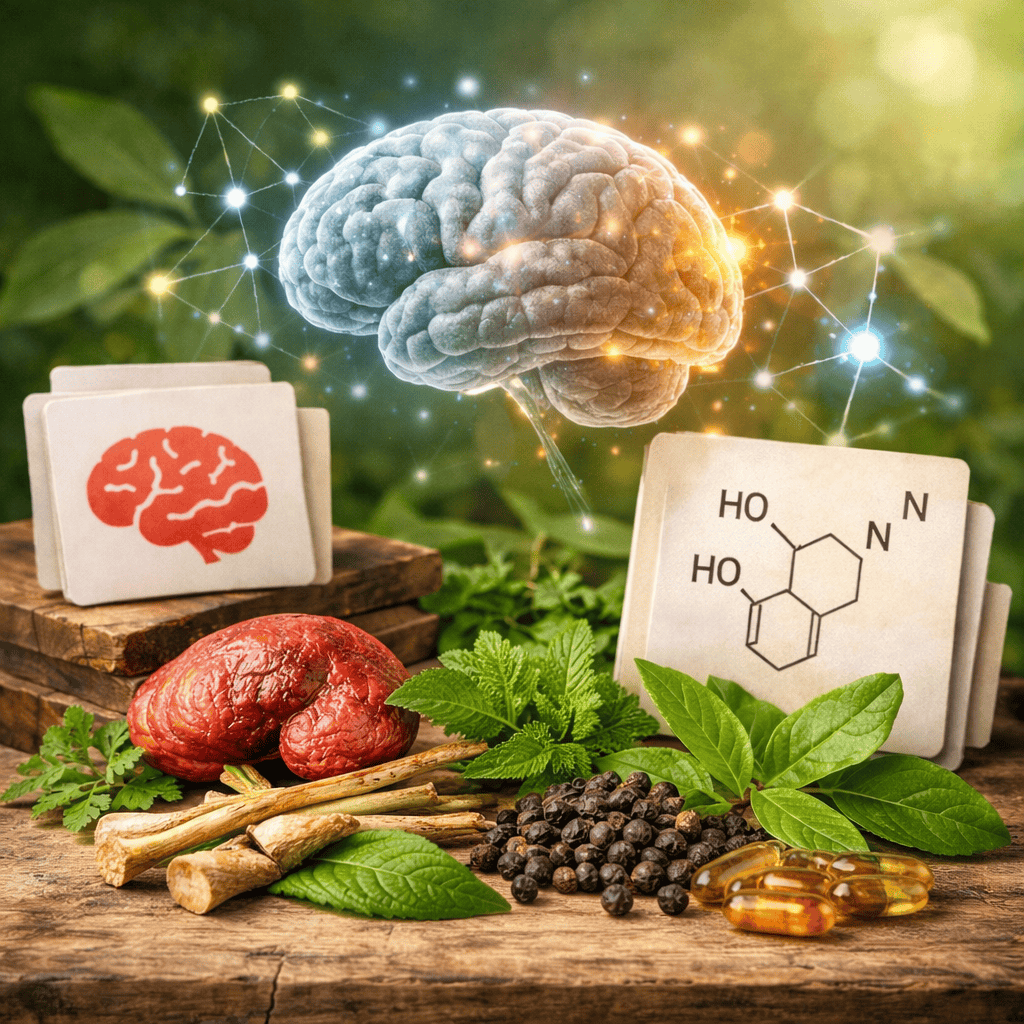
What exactly does "nootropic" mean?“
The word nootropic is used for active ingredients (natural and synthetic) that can positively affect brain function. It's not just about a "kick" like coffee - nootropics often aim for long-term support: mental balance, stress management, sleep quality or nervous system protection.
In practice, you will therefore find that some people are looking for these ingredients for concentration, others for psychological well-being, and still others to support memory as part of healthy aging.
Why nootropics are the answer to longevity
Longevity is not just about "living to a ripe old age", but also about maintaining quality of life – and the brain plays a crucial role in this. Long-term stress, poor sleep and inflammation can negatively affect cognition, mood and motivation. This is why natural nootropics are often associated with maintaining mental sharpness.
The most common nootropics
The most commonly mentioned natural nootropic ingredients include combinations that support alertness, stress adaptation, and nervous system regeneration. Below is a general overview (effects may vary from person to person):
- Caffeine + L-theanine - often for clearer focus (typically tea/tea extracts).
- Adaptogens (e.g. rhodiola, ashwagandha) – for better stress management and psychological stability.
- Medicinal mushrooms (e.g. Lion’s Mane) – popular with people looking for long-term brain support.
- Omega-3 – support normal brain and nervous system function (as part of nutrition).
- Terpenes – aromatic plant compounds that are increasingly mentioned in connection with nervous balance.
And among terpenes today, BCP (beta-caryophyllene) stands out significantly – thanks to its specific effect on the endocannabinoid system. (More below.)
How are nootropics typically used?
In practice, people most often reach for nootropic supplements when they need to: better manage stressful periods, stabilize daily energy without major fluctuations, or support evening regeneration. It makes sense to think in the “context of the day” – in the morning the goal is often a clear head, in the evening peace and sleep.
BCP (beta-caryophyllene): why it is called a nootropic
Beta-caryophyllene (BCP) is a natural terpene that can be found in cannabis, black pepper, and cloves, for example. It is especially interesting because it binds to the CB2 receptors of the endocannabinoid system - the part that is related to balance, inflammation, and overall body resistance.
From a nootropic perspective, it’s not a stimulant, but rather a substance that can help create a more stable environment for the brain: when the body is chronically stressed, regeneration and cognition often suffer. BCP therefore appears in the “longevity conversation” as a gentle support element for everyday balance.
If you want a more detailed theory about BCP, you can follow up with an article from the magazine: Effects of BCP – how does betacaryophyllene work?
Tip from Cannadorra: BCP Hemp Drops Original 30 ml
A practical choice if you want to try BCP in the form of drops for your daily regimen. Suitable for those looking for balance support without the "kick" effect.
Is CBD a nootropic?
CBD (cannabidiol) is not usually classified as a nootropic because it directly "enhances performance." Its power lies more in its ability to support nervous system balance - and thus indirectly help with concentration, stress, or sleep. When a person is chronically exhausted, the brain goes into reserve and any cognitive "upgrade" is difficult.
For this reason, CBD is sometimes referred to as an indirect nootropic: it does not force performance, but helps create conditions in which mental performance can come naturally.
Tip from Cannadorra CBD oils and drops
If you are looking for a product for your daily routine (stress, evening calming, sleep), the most common choice is CBD drops/oils. You can choose by concentration and package size.
How to choose the right product
To make a nootropic supplement make sense, it is good to start from the goal. One way is to choose support for a demanding work period, another for evening relaxation, and another for long-term “brain hygiene” for longevity.
- When dealing with stress and overload: consider “balancing” substances (BCP, CBD) and at the same time adjust your sleep.
- When you need pure concentration: be careful with stimulants – sometimes a gentler regimen than a higher dose of coffee will help.
- When the goal is longevity: look for a long-term sustainable solution (sleep, exercise, diet) + gentle support for the nervous system.
FAQ: frequently asked questions
How quickly do nootropics work?
It is common for natural substances to have a subtle and gradual effect. Some ingredients (e.g. stimulants) work faster, while others take effect more quickly with regular use as part of a regimen.
Is BCP psychoactive?
BCP is a terpene – a common plant aromatic compound. It is usually described as not “intoxicating”, but rather as a balancing agent.
Is CBD the same as a nootropic?
CBD is often considered an indirect nootropic support: it can help with stress and sleep, which are key factors for mental performance. It is not a stimulant, but rather a balance support.
Can I combine BCP and CBD?
In practice, people sometimes combine different natural ingredients depending on the goal (daytime stability vs. evening calmness). If you are taking medication or have health restrictions, it is advisable to consult a specialist about combinations.
Further reading in Cannadorra magazine: Beta-caryophyllene (BCP) – where can we find it?



